Monday, August 29, 2011

SIAPO- Sneak Peek


Siapo, also known as tapa, is one of the oldest Samoan cultural art forms. For centuries Siapo has been passed from generation to generation. Even so, it has fast become a nearly extinct art form. Siapo is not only a decorative art, it is a symbol of Samoan culture. It's uses include clothing, burial shrouds, bed covers, ceremonial garments and much more.

The canvas of Siapo is the bark of the Paper Mulberry Tree. This cloth is known as u'a. The process of preparing the u'a includes harvesting, stripping, separating, scraping and beating. Ideally the paper mulberry tree stalk is harvested when it is about ten to fourteen months old or approximately one to two inches in diameter. The bark is then stripped and separated with a sharp knife. Once the outer bark is removed, the bast or inner part is placed in a bowl of fresh clean water to keep it moist. The next step is scraping, which removes the remaining bits of bark and green growth from the bast and softens and spreads the fibers. To insure proper scraping, three different clam shells are used. Each shell has a different degree of courseness. The three types of clam shells are pipi, pae, and 'asi. A wooden beater know as an i'e and a wooden anvil known as tutua are used in the beating process. The i'e is square in shape with two smooth sides and two grooved sides. These tools help to widen the u'a while it is beaten. The tutua is a single solid log cut about three feet long to be used by one person, or six feet long to be used by two or three people when beating the u'a. The top is eight inches wide and flat, with slightly rounded edges. Once the process is complete, the u'a is laid out to dry.

The design elements or symbols used in Siapo are reflections of things in the Samoan environment.

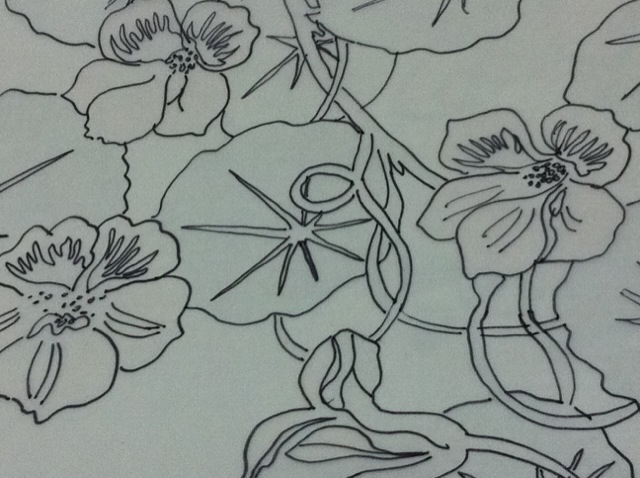
The art of Siapo continues to evolve and will hopefully survive and grow through the interest and support of its patrons. In an effort to support this amazing art form we are working on several new rug designs that pay respect to this ancient art form.

Above is a sneak peek of what we’re up to.

Enjoy.

Friday, August 26, 2011

Popular Rug Materials


Wool

Most wool is made from the shearing of sheep. Wool is further categorized by its origin: Tibet and New Zealand are premium sources because their sheep produce higher levels of lanolin, which enhances the fiber's strength, texture, and luminosity. Many kinds of constructions and styles are made with wool: Hand-knotted, Tufted, Flat-weave, and Power Loomed rugs.

Advantages of wool

. •It's incredibly strong and durable, while remaining soft to the touch.


. •Wool fibers are coated with a thin protective membrane that makes them water-, stain-, and soil-resistant, so upkeep is easier than with most other materials.


. •It is highly elastic, so furniture and foot-traffic marks brush out easily.


. •Wool absorbs airborne contaminates, thereby improving the air quality in your home.


. •Harvesting wool is far more energy-efficient than producing synthetic fibers, so wool rugs are more eco-friendly than imitations.


. •Wool is an excellent insulator, and will help keep warm air from escaping through floors in the winter.


Silk

A natural protein fiber spun by silkworms or caterpillars. The Chinese were the first to develop silk textiles and the material they export is considered the highest - quality in the world. In rug making, silk is often blended with wool to increase durability and lower prices. Most rugs containing silk are either Hand-knotted or hand woven.

Advantages of Silk

. •Silk rugs are the softest you will find, and they have a sophisticated, elegant look.


. •Surprisingly, silk is one of the most durable fibers around, which is why the rugs can last a lifetime.


. •Silk fibers have an innate luster and sheen that make them highly reflective. The colors change constantly with the light, yielding a uniquely dynamic look.

NOTE: It is typical of new carpets to shed or sprout as you begin to live with them. While it may seem disconcerting, these issues are nothing to be concerned about and do diminish with regular use and maintenance.

SPROUTING: When carpets are finished, some fibers may be missed because they are impacted in the pile. With use, these longer threads will pop up (or sprout) above the surface of the carpet. Simply clip them to be even with the pile.

SHEDDING: After the finishing stage, carpets (especially cut pile) still retain some of the loose fibers. These often appear as balls of fluff on the surface of your carpet.

With regular vacuuming these issues should become less of a nuisance.

To extend the life of your rugs, consider these tips:

Rotation - To insure even wear, your rug should be rotated once a year. Depending on the traffic, the rotation may vary from six months to two years.

Vacuuming - Oriental rugs, like most carpeting, should be vacuumed on a regular basis to remove dirt and restore life to the fibers.

WARNING: USING HARSH CHEMICALS CAN PERMANENTLY DAMAGE THE FIBERS.


Any questions please don't hesitate to contact us at 310.463.0007

www.Shivhon.com

Thursday, August 11, 2011

Northwest Home Magazine

We greatly appreciate the continued support of Northwest Home Magazine and look forward to getting inspired by their new online blog. Since 2001 Northwest Home has covered home projects that mix the unexpected with the practical, and that speak to their region’s unique urban and suburban dwellers.

Check it out for yourself…

http://www.nwhomemag.com/blog/modern-design/alexischicoye/shopping-trip-shirley-shivhon-rugs-brighten-your-floor-summer-and-s

Thursday, August 4, 2011

Finding Inspiration in Nature


Nature is something that inspires all artists and designers on a day-to-day basis. Wherever it is you work, rest or play, there will always be nature around you, and whether you intend to or not it’s always going to influence you in one way or another. We invite you to take a deep breath, a good look around, and allow yourself to be inspired.

We are pleased to share with you our newest rug design, Hapuu.

Please contact us for pricing and availability.

Namaste.

Thursday, July 28, 2011

Cloverfield


There are those who look at things the way they are, and ask why... I dream of things that never were, and ask why not?

-- Robert Francis Kennedy


Friday, July 1, 2011

GoodWeave


The handmade carpet industry exploits nearly 250,000 children. GoodWeave is helping to combat this problem and transform the rug industry by certifying child-labor-free rugs and by providing education and opportunities to rescued and at-risk children. The GoodWeave certification is implemented by GoodWeave International.

http://www.goodweave.org/spotlight_det.php?cid=88&interview_id=114

Child-Labor-Free Certification

The GoodWeave label is the best assurance that no child labor was used in the making of your rug. In order to earn the GoodWeave label, rug exporters and importers must be licensed under the GoodWeave certification program and sign a legally binding contract to:

1. Adhere to the no-child-labor standard and not employ any person under age 14

2. Allow unannounced random inspections by local inspectors

3. Endeavor to pay fair wages to adult workers

4. Pay a licensing fee that helps support GoodWeave’s monitoring, inspections and education programs

To ensure compliance, independent GoodWeave inspectors make unannounced inspections of each loom. If inspectors find children working, they offer them the opportunity to go to school instead, and the producers lose their status with GoodWeave. To protect against counterfeit labeling, each label is numbered so its origin can be traced to the loom on which the rug was produced.

GoodWeave also sets contractual standards for companies that import certified rugs. Importers agree to source only from GoodWeave certified exporters in India, Nepal and any other country in which GoodWeave rugs are available. In the United States and other rug-importing countries, only licensed importers are legally permitted to sell carpets carrying the GoodWeave label.

Importers and exporters also help support GoodWeave and its commitment to provide rehabilitation and schooling for all rescued children. Exporters pay 0.25 percent of the export value of each rug, and importers pay a licensing fee of 1.75 percent of the shipment value. Licensing fees go toward monitoring, inspections and educational programs that are part of the GoodWeave program.

GoodWeave's certification standards are set by GoodWeave International, an associate member of the International Social and Environmental Accreditation and Labeling Alliance (ISEAL), which leads the world in setting norms and good practices for certification. GoodWeave's national offices in producer countries implement and enforce the standards.

Soon, the GoodWeave label will mean even more. In order to further the mission to end child labor by addressing the root causes of the problem, GoodWeave's certification standard will include other environmental and social criteria, guided by ISEAL’s Codes of Good Practice. Licensees will be required to demonstrate that their employees are working under safe conditions for a reasonable wage, among other requirements. GoodWeave certified rugs will become greener, as licensees work to identify negative impacts of production as well as ways to mitigate them. Each producer will work with GoodWeave to develop a plan for improving working conditions and environmental impacts over time. To learn more about the new standard, visit www.GoodWeave.net.

Friday, March 4, 2011

Guanyin


Inspiration is a funny thing. You never know when it will strike or where it will come from. Our newest pattern ,Guanyin, is pictured above.

It is (for personal reasons) named after the goddess of compassion.

Compassion plays a major rule in buddhist practice. Pema Chodron says that "In order to have compassion for others, we have to have compassion for ourselves." She writes that in Tibetan Buddhism there is a practice called tonglen, which is a kind of meditation practice for helping us connect to our own suffering and the suffering of others.

"Tonglen reverses the usual logic of avoiding suffering and seeking pleasure and, in the process, we become liberated from a very ancient prison of selfishness. We begin to feel love both for ourselves and others and also we begin to take care of ourselves and others. It awakens our compassion and it also introduces us to a far larger view of reality. It introduces us to the unlimited spaciousness that Buddhists call shunyata. By doing the practice, we begin to connect with the open dimension of our being."

Be kind to yourself and others.

Namaste